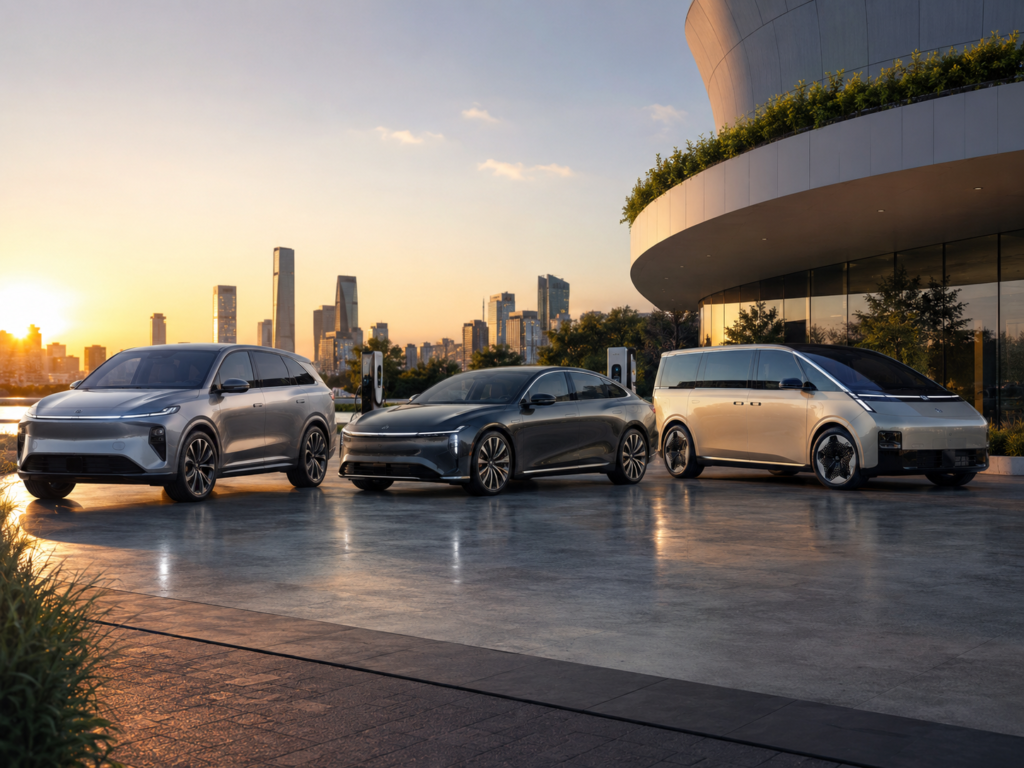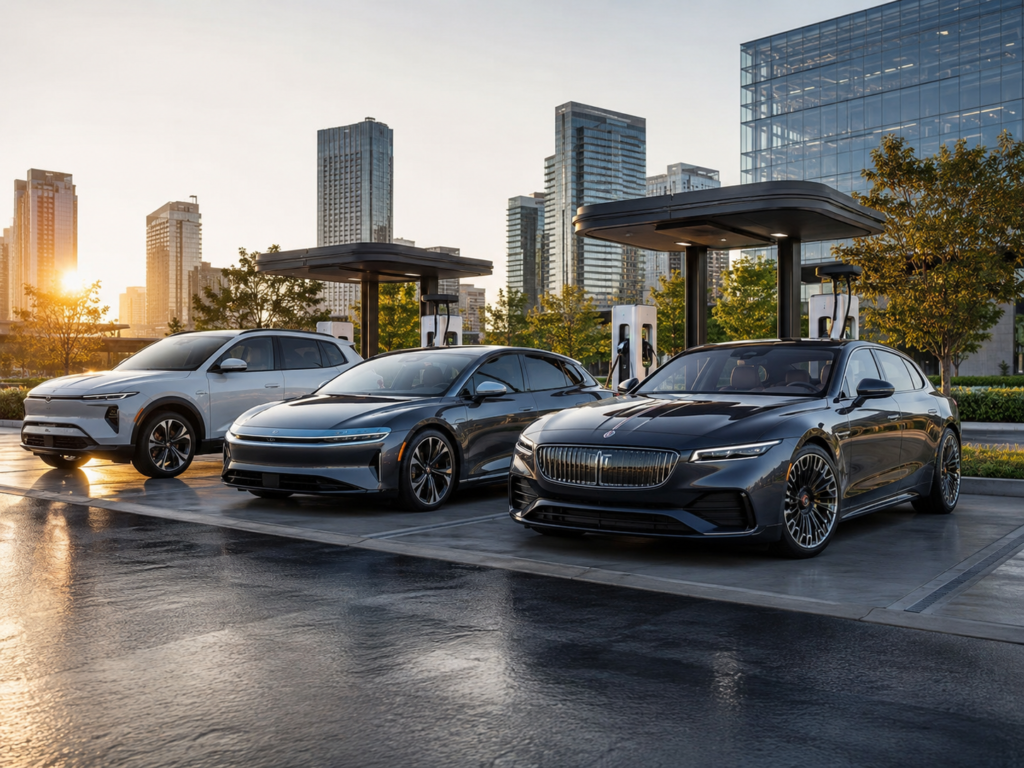
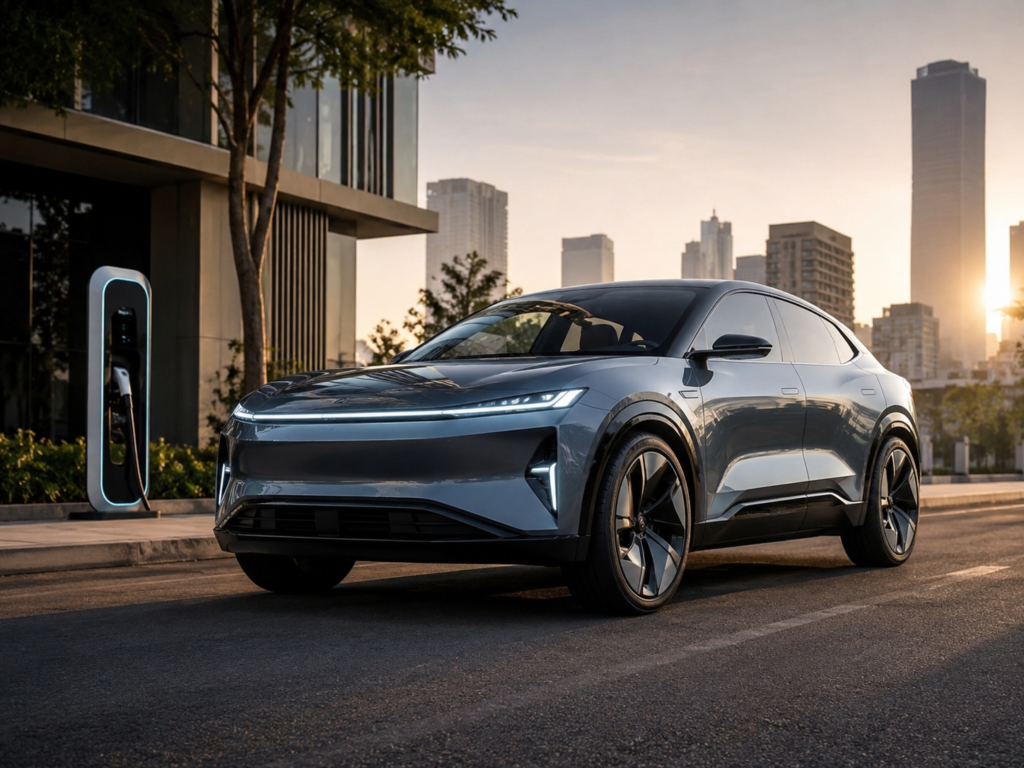
Tata Avinya EV is one of India’s most awaited premium electric vehicles. Here is what we know so far about its design, platform, expected launch, features, and future plans.
Tata Avinya EV: What We Know So Far About Tata’s Premium Electric Future
Tata Motors has already become one of the most important names in India’s electric car market, but the Tata Avinya EV is different from the company’s current EV lineup. It is not just another electric version of an existing petrol car. Avinya is being positioned as a premium electric future for Tata — something more modern, more spacious, more technology-focused, and more ambitious.
For Indian EV buyers, the Avinya name has been interesting from the beginning because it promised something fresh. Tata already sells practical EVs like the Nexon EV, Punch EV, Tiago EV, Tigor EV, Curvv EV and Harrier EV, but Avinya is expected to sit above these regular models. It is meant to show where Tata wants to go next in premium electric mobility.
The word “Avinya” itself comes from Sanskrit and is usually connected with the idea of innovation. That fits the purpose of the vehicle. Tata is not trying to make Avinya look like a normal car with a battery inside. The concept was designed to look futuristic, clean and spacious, with a focus on comfort and calmness rather than just performance numbers.
So, what do we actually know about Tata Avinya EV so far? Let’s break it down in a simple and practical way.
What Is Tata Avinya EV?
Tata Avinya EV is a premium electric vehicle concept from Tata Motors. It was introduced as part of Tata’s future electric vehicle vision and was designed to preview a new generation of EVs. Unlike some of Tata’s current electric cars, which are based on existing models, Avinya is expected to be part of a more dedicated premium EV strategy.
The original Avinya concept showed a design that was not easy to place into one normal category. It had the height and space of an SUV, the smooth shape of a crossover, and the premium feel of a future luxury EV. That is one of the reasons people became interested in it. It did not look like a simple hatchback, sedan, or traditional SUV. It looked like Tata wanted to create something new.
For buyers, that matters because the Indian EV market is changing quickly. A few years ago, most people were only looking for affordable EVs for city driving. Now, buyers are also asking for premium electric cars, longer range, better cabins, faster charging, better software and more advanced features. Avinya is expected to target that more premium customer.
Why Tata Avinya Is Important
The Avinya EV is important because it shows Tata’s ambition beyond budget and mid-range electric cars. Tata already has a strong EV presence in India, but premium EVs are a different challenge. Buyers in this segment expect better design, better materials, better technology, stronger performance and a more polished ownership experience.
Tata wants Avinya to become a premium electric nameplate, not just one single model. That means the Avinya brand could eventually include more than one vehicle. It may include an SUV, crossover, MPV-style vehicle or other premium electric models in the future.
This is important for Tata because competition in India is getting stronger. Mahindra is pushing hard with its Born Electric models. MG and JSW are also active in EVs. BYD is bringing global EV technology into India. Hyundai, Kia, Toyota and other brands are also expected to expand their EV portfolios.
In this environment, Tata cannot depend only on affordable EVs. It needs something premium, aspirational and future-ready. Avinya is expected to play that role.
Tata Avinya Design: A Futuristic and Spacious Look
The Avinya concept looked very different from regular Tata cars. Its design focused on simplicity, space and clean surfaces. Instead of aggressive styling, it had a more calm and futuristic personality.
One of the most noticeable parts of the concept was its wide front light signature. The concept also used a clean body shape, large glass area and a cabin-focused layout. The goal seemed to be clear: make the car feel open, airy and relaxing.
Inside, the Avinya concept focused on a lounge-like experience. Instead of filling the cabin with too many screens and buttons, Tata showed a more minimal and peaceful interior idea. This is a smart direction because many modern cars are becoming too complicated. A premium EV should not only feel high-tech; it should also feel comfortable and easy to live with.
If Tata keeps this design philosophy in the production model, Avinya could stand out from other EVs in India. Many electric SUVs look sporty or aggressive, but Avinya could appeal to buyers who want something more elegant and premium.
Platform and Technology: What Has Changed?
This is where the Avinya story becomes more interesting. Tata originally talked about a dedicated electric architecture and later announced a platform-sharing partnership with Jaguar Land Rover for its premium pure-electric Avinya series. That made sense because JLR is owned by Tata Motors and has experience with premium vehicle engineering.
However, newer reports suggest that Tata’s plan has shifted. According to recent reporting, Tata is now working with China’s Chery to use Chery’s Freelander platform for Avinya-brand electric vehicles. The report says the first Avinya model could arrive in 2027, with another model expected later.
This is a big development because it suggests Tata wants to move faster in the premium EV market. Developing a completely new EV platform from scratch is expensive and time-consuming. By using an already-developed platform, Tata may be able to reduce development delays and bring the Avinya range to market sooner.
For buyers, the main question will be simple: will the final product feel premium, reliable and well-engineered? Most customers will not care too much about the backend platform story if the car delivers strong range, good charging, a comfortable cabin and a good ownership experience.
Expected Launch Timeline
The Tata Avinya EV has been discussed for a long time, and earlier expectations pointed toward a launch around 2026. But based on the latest reports, the first Avinya-branded model may now arrive in 2027.
This means buyers should treat Avinya as an upcoming premium EV rather than an immediate showroom launch. Tata may reveal more details closer to production, including final design, battery pack, range, features, pricing and market availability.
The delay is not surprising. Premium EV development is not easy. Automakers have to balance design, crash safety, battery packaging, charging speed, software, supply chain, cost and production readiness. If Tata wants Avinya to feel truly premium, it cannot rush the product too much.
Expected Range and Battery
Tata has not officially confirmed the final production range or battery size for the Avinya EV. Because of that, any exact number should be treated carefully.
However, since Avinya is expected to be a premium electric vehicle, buyers will expect a strong real-world range. A premium EV in this segment should ideally offer enough range for city use, highway travel and weekend trips. In India, that means the final model will need to feel practical not only on paper but also in real driving conditions.
Battery performance will be one of the most important factors. Tata has already built experience with EVs in India, but premium buyers will expect more. They will want faster charging, better battery cooling, long battery life, reliable range estimates and strong warranty support.
If Tata can deliver a competitive battery package, Avinya could become a serious premium EV option.
Interior and Features
The Avinya concept placed a lot of focus on cabin experience. That is exactly what Tata needs to carry into the production model. Premium EV buyers do not only want range and performance. They also want comfort, quietness, good seats, a premium sound system, connected features and a cabin that feels special.
Expected features could include a large digital interface, connected car technology, advanced driver assistance features, panoramic glass area, premium upholstery, ambient lighting, wireless charging and multiple comfort-focused details. The final feature list has not been confirmed, but Tata will need to offer a strong package if it wants Avinya to compete with premium EV rivals.
The most interesting part will be how Tata balances technology with simplicity. The concept suggested a calm, distraction-free interior. If Tata keeps that idea, Avinya could feel different from many screen-heavy EVs.
Pricing: How Much Could Tata Avinya Cost?
Tata has not confirmed official pricing for the Avinya production model. Since it is expected to be a premium EV, it will likely sit above Tata’s regular EV lineup. It may not be a budget EV like the Tiago EV or Punch EV. Instead, it is likely to target buyers who are considering premium electric SUVs and crossovers.
The final price will depend on the platform, battery size, localization level, imported components, features and production strategy. If Tata uses imported or CKD components in the early stage, pricing may be higher. If Tata localizes more parts over time, pricing could become more competitive.
For now, it is better to avoid treating any estimated price as final. The most realistic approach is to say that Avinya will likely be a premium Tata EV and will be priced accordingly.
Who Will Tata Avinya Compete With?
The Tata Avinya EV could compete with several upcoming and existing premium electric vehicles depending on its final size and price.
Possible rivals may include Mahindra’s premium Born Electric SUVs, BYD electric SUVs, Hyundai and Kia premium EVs, MG electric models, and even some entry-level luxury EVs if Tata positions Avinya higher.
The biggest competition may come from Mahindra because both Tata and Mahindra are Indian brands trying to lead the future of electric mobility. Mahindra’s new EVs are aggressive, stylish and technology-focused. Tata will need Avinya to feel equally modern, but also more refined and premium.
BYD is another important competitor because it has strong battery technology and global EV experience. If BYD expands more strongly in India, Tata will need Avinya to offer a very strong value proposition.
Why Avinya Could Work
Avinya could work because Tata already has brand trust in India’s EV market. Many buyers know Tata as one of the earliest serious EV players in the country. That gives Tata an advantage.
Another reason is timing. India’s EV market is moving beyond basic city EVs. More buyers now want premium electric cars with better comfort and longer range. If Avinya arrives with the right design, features and pricing, it could attract buyers who want an Indian premium EV rather than an imported or foreign-branded option.
Tata also has the advantage of understanding Indian road conditions, customer expectations and service requirements. A premium EV built with India in mind could be more practical than a global model that is simply imported or adapted later.
Challenges Tata Must Solve
Avinya also has some challenges. First, expectations are already high. When a concept car looks futuristic, people expect the production version to be exciting too. If the final car looks too ordinary, some buyers may feel disappointed.
Second, premium EV buyers are more demanding. They will compare Avinya not only with Tata’s current EVs but also with global brands. That means Tata must improve cabin quality, software smoothness, driving refinement and after-sales experience.
Third, pricing will be critical. If Avinya is too expensive, buyers may move toward global brands. If it is priced smartly, it could become a strong premium EV option.
Fourth, charging infrastructure still matters. Even the best EV can feel difficult to own if charging access is weak. Tata will need to support Avinya buyers with a better charging and service experience.
Final Verdict
The Tata Avinya EV is one of the most important upcoming electric vehicles from Tata Motors. It represents a shift from practical electric cars to premium electric mobility. Instead of simply electrifying an existing model, Tata wants Avinya to become a future-focused EV family with modern design, comfort, technology and stronger market presence.
What we know so far is that Avinya started as a futuristic concept based on a dedicated EV vision. Tata later connected it with premium platform plans involving JLR, and recent reports suggest the company is now looking toward Chery’s platform technology to speed up development. The first Avinya-branded model may arrive around 2027, though final production details are still awaited.
For buyers, Avinya is worth watching because it could become Tata’s most premium electric step yet. It may not be the cheapest EV, and it may not arrive immediately, but it could show what an Indian premium EV brand can look like in the next stage of the market.
If Tata gets the design, pricing, range and ownership experience right, Avinya could become more than just another EV. It could become Tata’s statement that Indian electric cars are ready to compete in the premium segment.
6) FAQ Section
Q1: What is Tata Avinya EV?
Tata Avinya EV is Tata Motors’ premium electric vehicle concept and future EV nameplate, designed to preview a more advanced and spacious electric mobility direction.
Q2: When will Tata Avinya EV launch?
Earlier expectations pointed toward 2026, but latest reporting suggests the first Avinya-branded model may arrive in 2027.
Q3: Is Tata Avinya based on a dedicated EV platform?
The original concept was linked to Tata’s Pure EV Gen 3 vision. Later Tata announced a JLR platform-sharing plan, while newer reports suggest Tata may use Chery’s Freelander platform for Avinya-brand EVs.
Q4: What will be the expected range of Tata Avinya EV?
Tata has not confirmed final battery size or production range yet. Since it is expected to be a premium EV, buyers will expect strong real-world range and fast charging.
Q5: Will Tata Avinya be expensive?
Official pricing has not been confirmed, but Avinya is expected to sit above Tata’s regular EV lineup as a more premium electric vehicle.